 Jell AI
Cameras and optics
Sensor, lens and field of view chosen for the coverage, resolution and lighting of each location, with placement planned against the site rather than the brochure.
Computer vision
We have architected the complete edge computing and detection setup for threat assessment in soft targets: airports, stadiums, train stations and similar crowded public venues. That covers choosing the right cameras and edge devices, designing the detection pipeline, and fitting it into the security operation that has to act on what it sees.
The brief
A soft target gives you dense crowds, mixed lighting, many camera views and operators who cannot watch everything at once. A useful system has to cover the right areas, detect what matters within the time available to respond, and raise few enough false alarms that people keep trusting it.
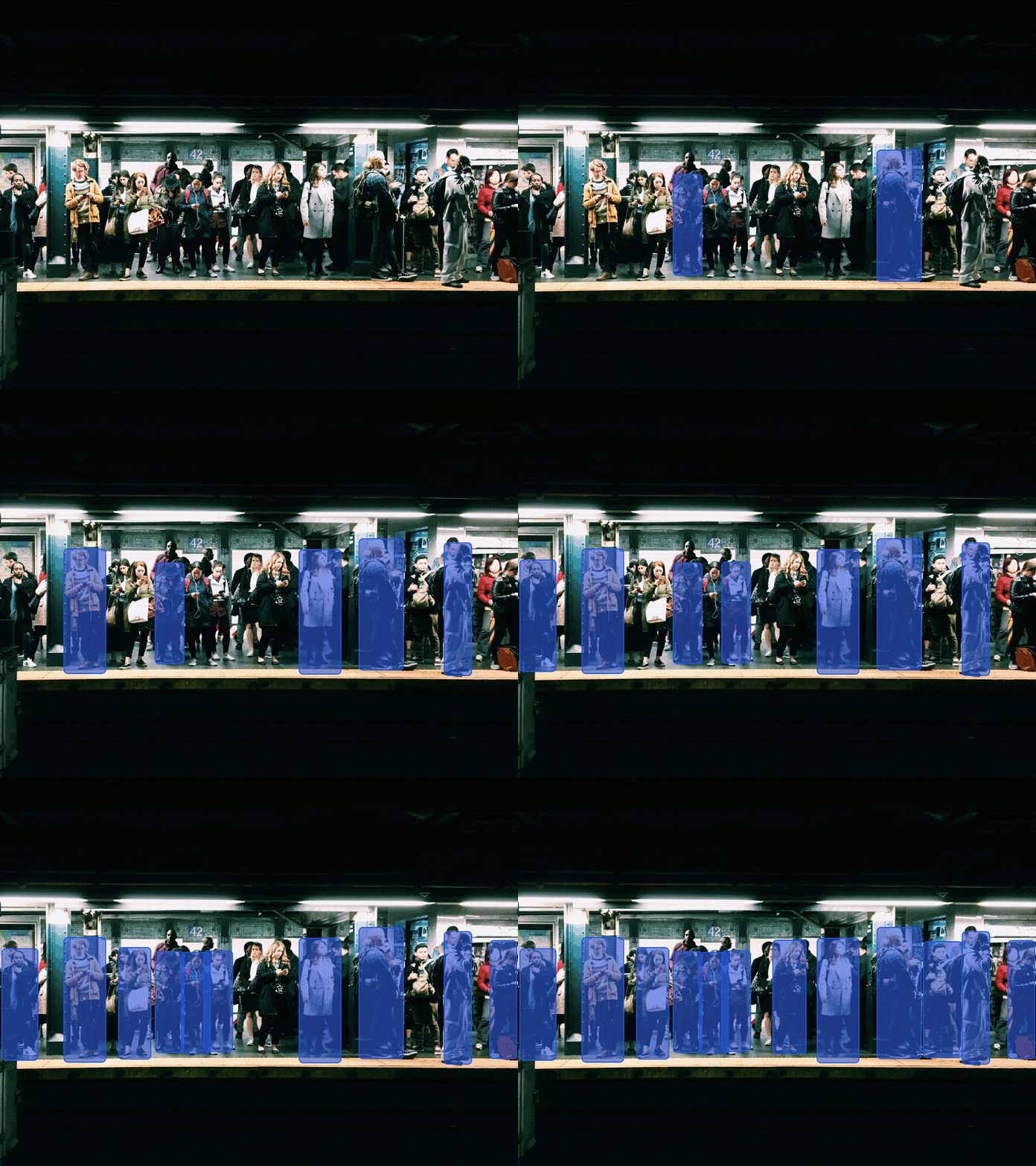
What we architect
Sensor, lens and field of view chosen for the coverage, resolution and lighting of each location, with placement planned against the site rather than the brochure.
Devices selected and sized for the models and the number of streams, with power, thermal, networking and ruggedisation handled up front.
Detection and tracking models matched to the compute budget and the latency the response allows, tested on footage from the actual site.
Rules and models that turn detections into assessments the security team can act on, tuned to keep false alarms low.
Alerts routed into the existing security workflow, with the review tools operators need to confirm or dismiss quickly.
On-device processing, retention and access designed to match the venue's privacy obligations.
How an engagement runs
Walk the venue, map sightlines, lighting and crowd flow, and define what a threat looks like there.
Shortlist cameras and edge devices, then bench-test them on representative footage before anything is bought at scale.
A limited deployment that proves detection quality, latency and false-alarm rates on the real site.
Full deployment, operator training and documentation so the system can be run and extended without us.
Why us
We come from real-time simulation. The habits that keep a hardware-in-the-loop rig on schedule, budgeting every millisecond, sizing compute to the workload and measuring instead of assuming, are what make a detection system usable in a live venue.
Start a conversation